Iran invites UN rights chief who criticized Tehran
(And the regime has arrested many academics for being pro-opposition, but...)
Protest Against Obama's 'Nuclear Threat' in Tehran
Showing posts with label Human Rights in Iran. Show all posts
Showing posts with label Human Rights in Iran. Show all posts
Thursday, May 6, 2010


Thursday, April 22, 2010
Boobquake: American Atheist Responds to Mullah's Assertion

I personally sent out invitations to over 100 of my male and female friends, many of whom are are Iranian and/or Muslim. One of my friends who is both responded, " 'Incite extramarital sex in society, which increases earthquakes'--I didn't know that the cause of earthquake is boobs! ...Oh my god! Dr.Shariati said Islam wanted to save the world, but ...people...start ruining it! So that now we're seeing the fake Islam, which is Mullah Islam! Boobs are 'haram', but sighe is 'GREAT'! WHOO-HOO!"

 According to Google Translate, "sighe" means "concubine" in Persian. My friend could be referring to "temporary marriage"-- the practice of temporarily marrying a woman in order to legally satisfy sensual desires under Shia Islam. (This practice is also carried out in Iranian prisons in order to legally rape virgin female prisoners who are about to be executed. It is illegal to execute a virgin female in Iran).
I have not read the Koran. But friends who have tell me that there are Sharia laws that are not based on the Koran--even though the promoters of those laws act as though those laws are God-given. Could this contribute to a sense of "fake Islam"?
Back to the topic of earthquakes, the Boobquake Facebook event page says, "Dressing modestly won't end earthquakes, so help out the victims of inevitable natural disasters at the Red Cross: http://www.redcross.org/ and Ayaan Hirsi Ali Foundation: http://www.theahafoundation.org/
Monday, March 15, 2010
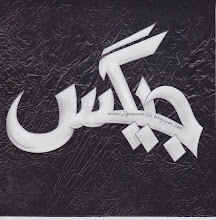
Hichkas Ye Rooze Khoob Miad Lyrics: Neda Soltani Reference?
 Julie Jigsawnovich asked her friend, Adrenaline, to translate and discuss the lyrics to the new Hichkas song, "Ye Rooze Khoob Miad" which Soroush Lashkary (Hichkas) co-wrote with his producer, Mahdyar Aghajani. Although Adrenaline certainly cannot speak for Hichkas or for Mahdyar, he has lived in Iran all his life and is very insightful, and well-versed in Iranian Hip Hop and in recent Iranian political events.
What's your opinion of "Ye Rooze Khoob Miad"? ( "A Good Day Will Come")
Andrenaline: Unforgettable.
What's Hichkas saying?
Andrenaline: It starts like this :
"A good day will come that we won't kill each other/won't look at each other in a bad way/We will be friends with each other/putting arms around our shoulders/like childhood in school--and none of us will be jobless/We're rebuilding the IRAN/I can't translate this part./"After all this blood rains, someday a rainbow will show up/The sky won't be from stone anymore/river's color won't be red like roses/"mozan azan begoo." "moazen" is someone who pronounces some religious words when it's praying time. azan is praying time.
Jigsawnovich: So poetic!
Adrenaline: Totally. It says, "moazen…" "Do your job."
"The sky won't be from stone anymore/River's color wont be red like roses/
mozan azan begoo/God is great…hope you will be away from trouble/Mom…pray for us tonight!"
That was the first verse.
"As long as I know…this nation always said that a good day will come."
But lemme explain this one for you.
"ta jaayi ke yadame in khaak hamishe NEDA miad ke ye rooze khoob miad "
So, it's somehow related to Neda Agha Soltani (R.I.P)…but the translation is:
"as long as I know…this nation always said that a good day will come."
So he's making a reference to Neda, but not in a real obvious way?
Adrenaline: Yup.
a!
Wow, Neda can be a name--and my Farsi dictionary say it also means, "a call, an evocation."
Adrenaline: The translation is not that bad, but it's the best that I could… Exactly. "We are good and everything is alright/only we are missing our friends who aren't here/Blood will remain in body and it won't be introduced to sky and ground/It (blood) won't collapse and be thrown away/so mothers won't have to visit a child's grave/The home won't be a 'panahgah' (somewhere you feel safe at wars) with war outside the house/God damn, I'm torn apart inside…like Bam."
You know the story of Bam, the city, right?
No idea.
Adrenaline: Bam is a city of Iran…like seven years ago…an earthquake came to Bam…and after that….there is no Bam! 90% of the people of the city died in that accident. It was terrible. So Hichkas says,
"God damn I'm torn apart inside…like Bam or like Hiroshima after the bomb/I don't know/I'm burning and singing this song/You might think to yourself that I'm crazy/but a good day will come…I know it."
This was the second verse.
verse 3 :
"Hey! When a good day will come…nothing might remain of us but happiness and goodness/--no more unsafeness…everything is safe."
Can't translate this part...skipping...
Ok.
Adrenaline: "Sky…wow, it's beautiful/Beside the grave is green…trees and flowers/No more brains are getting away." (He is talking about the genius people of Iran… who will immigrate to other countries which give credit to them.)
"It will be okay if you stay on/No other countries will take advantage of our country/Don't say: 'Oooo, where is tomorrow?!"
This is my favorite part of the song:
"If I'm not here anymore/I want you to make me a promise/that you will give a flower to every soldier you see."
AWESOME , especially the words in Farsi.
"No more birds inside the cages/and no more open minded women are 'biveh.' "
Biveh?
Adrenaline: A woman who married, and got divorced is called biveh. Being biveh is not a good thing in our culture right now.
So, he is saying, don't look down on divorced women?
Adrenaline: F---ing 3rd world--and it's not a good word either.
Is he showing support for open minded women?
Adrenaline: He said,
"No more will open minded women become "biveh" for their thoughts."
That's right.
"My daughter…your dad is coming home…./go and make the table for dinner."
The end.
Eyval! (Good job!) He is saying men should not divorce women for being open minded women?
Adrenaline: Yup.
Cool!
Adrenaline: Extremely cool! You can't feel like how I feel. You should be Persian and you should live your whole life in Iran to understand the words and expressions he's using in his song.
When he talks about giving flowers to soldiers, what does that mean?
Adrenaline: And as you may know…the name of the song is, "A Good Day Will Come."
Is he saying to honor the soldiers?
Adrenaline: 50% is that.
Or to help make the soldiers peaceful towards the people in Iran?
Adrenaline: After the election when soldiers beat up the protesters in streets, usually protesters gave 'em roses to make them ashamed for what they'd done to their people. So somehow it's related to this.
Wow! You translated all the words Hichkas says?
Adrenaline: Yup...it was the best I could do. You should ask for the better translation from Mahdyar.
Kheyli motashekkeram tarjome-e shoma! (Thank you so much for your translation!)
Adrenaline: You're welcome.
Ghashang! (Beautiful!) Is it okey if I publish your translation on my blog if i credit you as Adrenaline, and mention that an official translation will be coming soon on Mahdyar's website? (You can also hear the song there.)
Adrenaline: Yep, that's okay with me.
Adrenaline is working on some tracks of his own. I'll keep you posted, when he releases them!
"Hey! When a good day will come…nothing might remain of us but happiness and goodness/--no more unsafeness…everything is safe."
Can't translate this part...skipping...
Ok.
Adrenaline: "Sky…wow, it's beautiful/Beside the grave is green…trees and flowers/No more brains are getting away." (He is talking about the genius people of Iran… who will immigrate to other countries which give credit to them.)
"It will be okay if you stay on/No other countries will take advantage of our country/Don't say: 'Oooo, where is tomorrow?!"
This is my favorite part of the song:
"If I'm not here anymore/I want you to make me a promise/that you will give a flower to every soldier you see."
AWESOME , especially the words in Farsi.
"No more birds inside the cages/and no more open minded women are 'biveh.' "
Biveh?
Adrenaline: A woman who married, and got divorced is called biveh. Being biveh is not a good thing in our culture right now.
So, he is saying, don't look down on divorced women?
Adrenaline: F---ing 3rd world--and it's not a good word either.
Is he showing support for open minded women?
Adrenaline: He said,
"No more will open minded women become "biveh" for their thoughts."
That's right.
"My daughter…your dad is coming home…./go and make the table for dinner."
The end.
Eyval! (Good job!) He is saying men should not divorce women for being open minded women?
Adrenaline: Yup.
Cool!
Adrenaline: Extremely cool! You can't feel like how I feel. You should be Persian and you should live your whole life in Iran to understand the words and expressions he's using in his song.
When he talks about giving flowers to soldiers, what does that mean?
Adrenaline: And as you may know…the name of the song is, "A Good Day Will Come."
Is he saying to honor the soldiers?
Adrenaline: 50% is that.
Or to help make the soldiers peaceful towards the people in Iran?
Adrenaline: After the election when soldiers beat up the protesters in streets, usually protesters gave 'em roses to make them ashamed for what they'd done to their people. So somehow it's related to this.
Wow! You translated all the words Hichkas says?
Adrenaline: Yup...it was the best I could do. You should ask for the better translation from Mahdyar.
Kheyli motashekkeram tarjome-e shoma! (Thank you so much for your translation!)
Adrenaline: You're welcome.
Ghashang! (Beautiful!) Is it okey if I publish your translation on my blog if i credit you as Adrenaline, and mention that an official translation will be coming soon on Mahdyar's website? (You can also hear the song there.)
Adrenaline: Yep, that's okay with me.
Adrenaline is working on some tracks of his own. I'll keep you posted, when he releases them!
March 19 UPDATE:
People are telling me that "biveh" means widowed, not divorced.
People are telling me that "biveh" means widowed, not divorced.
They are telling me that the part in the Hichkas song is about women's husbands getting killed, not about their husbands divorcing them.
Adrenaline: I know what widow means--a person who is in a relationship and his/her wife/husband died. It can be biveh too! It is a slang! Thats how people use this word. Who cares what "biveh" means EXACTLY in a dictionary. In society, people use it the way I told.
You said it wasn't a good word. People are making fun of the woman who is divorced, by acting like her ex-husband died?
Adrenaline: No, they don't make of her--but it's mean!
So tell me, because Hichkas talks about no more birds in cages--
is this why you figured that he mean slang "divorced" woman instead of actual widow?
Adrenaline: Thats right.
Cool! So maybe this is a tricky thing Hichkas is doing, like the Neda Soltan reference--like it could be taken two different ways.
Adrenaline: The Neda part--yes. The biveh part--no !
I mean as a person who lived his entire life in Iran, I don't know the dictionary meaning of "biveh", but I do know the meaning that society gave to this word.
Cool! What about the open-minded woman--what was the Farsi term for this?
Adrenaline: Its complicated. I'm not good at that part.
Okay, well thanks for the hard work you did translating.


![Reblog this post [with Zemanta]](https://lh3.googleusercontent.com/blogger_img_proxy/AEn0k_sJCvJN_yMn9-Dg8smlfXJPnM8UdDvNs7BSr-Ee8QIwjj_mz_usxVWQN7-mDJ7P05wzL5BMJoKbVG7CAPS43RjUv4O0H1GLw9uhVz3swZKaQQUS925HRrc_Y2NFbjEW64hdEmu_tPUfkZMipivPcI8d=s0-d)
Sunday, March 14, 2010
Iran Rock Rising: The Yellow Dogs

by Julie Ashcraft (A.K.A. Jigsawnovich)
New York--Growing up in Iran, where making a song critical of the government can land you in a solitary confinement prison cell, where all musicians are supposed to seek approval from the highly restrictive Ministry of Culture and Islamic Guidance for any music and lyrics they want to perform or release, where Rock music is considered de facto "Western" and is associated by the regime with the "Great Satan" of the United States of America, The Yellow Dogs Band really took their chances in not only recording and uploading their unapproved music, participating in and being filmed guerilla-style for the illegal, Cannes award-winning film about Iranian underground music, "Nobody Knows About the Persian Cats" by Bahman Ghobadi, but also playing illegal, unapproved live shows in Tehran--putting them in direct danger of detection and arrest. The Yellow Dogs arrived in the U.S. for the first time about three weeks before my March 8th interview with them. This is their first interview conducted on U.S. soil.

Obaash (vocals and guitar): Our first legal show was in Istanbul. Turkey has the best rock scene in the Middle East. Two weeks after this concert, we flew to New York. Our second and third (and fourth) legal shows were in New York.
How many illegal shows in Iran?
Obaash: Two illegal shows. We played in a soundproofed old basement with the Free Keys. We had a genius lightman who brought lasers and smoke to create a real rock show atmosphere. 90% of the audience had never been to any rock shows. And we used to practice everyday in a room on a rooftop. Friends came and watched. 10 or 12 people in room when we played.
The rooftop where Bahman Ghobadi filmed you in "Nobody Knows About the Persian Cats"?
Obaash: Yes.
Wow, I thought you guys literally only played underground in heavily soundproofed basements to avoid detection by police. How did you get away with playing on a roof?
Obaash: Neighbors were kind.
How did you soundproof a room on a roof?
Obaash: Pillows and foam and egg crates. People walking in the street could hear us.
That reminds me of after the election when people in Iran went up on the roof and yelled, "Allahu Akbar!" Do you guys follow any religions? You don't have to tell me. You can keep it secret if you want to.
Obaash: We don't follow any religion. We just want to live in peace and freedom.
Koory (bass and vocals): We don't follow any kind of religion. In our identity cards we are Muslims, but…
In Iran, the government can kill you if you change your religion.

Zina (drums): We don't have any problem with Jesus or Mohammad or any prophets. We just don't want to follow anything we don't have to.
Some people are followers. Some people are leaders.
Obaash: Some people like to lead the followers.
Yes, they do. Hmm… I've seen you guys play twice now, about a week apart, and I already noticed a change. Do you feel less innocent now?
Obaash: More confident, more joyful. We're getting used to playing in front of crowds.
Koory: Shows in Iran were really crazy--their first experience of a rock show. People jumping around, dancing, when they go to a real live show.
Obaash: They gather all of energy just to have fun.
Koory: I have lots of friends in Canada. They say that if Tehran had bars and clubs, they would move there. You will do anything to have more fun--dance for four hours, and they drink really a lot.
But the police could show up any minute. (Alcohol is illegal for Muslims in Iran. Muslims who have been caught drinking in public may be whipped as punishment, leaving their backs covered in blood.)
Obaash: That adds more adrenaline to the show.
Yeah, but were you guys ever arrested?
Sina: I was arrested for my hair.
Obaash: I was arrested for my hair too. (laughing.)
Koory: We are lucky. (That they were not arrested for music.)
Zina: A father of a friend was always in front of the house for two hours just to make sure no police comes. He watered the plants for two hours. One time there he was watering on a rainy day!
Koory: But police never came.
Obaash: We didn't announce on the internet when we were playing.
How many people came to your shows in Iran?
Obaash: 250 people one time in Tehran, the other time 150.
Tell me about the song lyrics. In "New Century," you sing about people eating burgers and ice cream, and then later in the song you sing, "this is how the human race will fall."
Obaash: Everyday we make trash. Sometimes i think to myself, there are billions of houses making trash. Someday we will fall by our trash cans.
Did you see the movie WALL-E?
Obaash: Yes, this was great!


I'm more familiar with Iranian hip hop than rock. They usually rap in Farsi, and some of their producers use Iranian instruments. But The Yellow Dogs not only play "Western" rock music, you also sing in English and don't use Iranian instruments. Have you gotten any criticism for this from young people in Iran?
Obaash: Playing music was our biggest hobby. We decided to make the music that we love. We don't give a damn what people think. If they like our music, that's good. But if they don't like it, we are still playing music that we love.
Koory: We are not professional in Iranian instruments, but we could get sounds out of them. Maybe if someone gives us those instruments we will add them.
Have you guys studied music, or taken lessons? How did you learn to play?
Obaash: A little bit lessons, we searched tableture on the internet, Raam from Hypernova helps us. Koory and Looloosh (guitar and synthesizer) were in Hypernova when they were in Tehran. Iranian underground music is a small community and we help each other. Well, other people helped us. We are the punk rock musicians. We are always the young kids playing dirty music.


Speaking of dirty, can you explain the slang meaning of the term "Koskhol"? That's the name of one of your songs.
Obaash: Koskhol means "real maniac"--but really impolite. Friends can say, "yaro koskhole". The song is about how the foreigners think about Iran and Middle East--and how our leader shows the whole country, and how we are soldiers riding on camels. "Koskhole" is about those things. A German friend came to visit in Tehran, and asked if he could rent a camel to go to Esfahaan.
He was joking, right? Those are both very modern, developed cities.
Obaash: No, he was serious. He had just flown into Tehran that night, and he didn't know much. So we told him to just go outside the next day look around and see how the city is.
Koory: Sometimes media shows us really bad--that they hit their women all the time--like, the media is making Iranians seem like crazy maniacs.
Well, the Ashura ceremony where guys make their heads bleed with swords is pretty scary looking.
Koory: Yeah, but that's out in rural areas. I've never seen that.
Obaash: Maniacs in religion, politics, music, on guitar…
 Your lead guitarist does not look like a maniac.
Obaash: Looloosh is shy.
Koory: Modest.
Looloosh looks very serious on stage, very dedicated to the music. Hey, do people tell Koory he looks like a young Jimmy Page?
Koory: But I'm the bass player, not the guitarist.
I know, but you look like him. How about the drummer? Zina, Iranian traditional music has a very different beat from Western music. Did you grow up listening to rock music in Iran?
Zina: My parents listened to rock, but nothing hard--Simon and Garfunkle, Bee Gees.
No Pink Floyd?
Zina: Pink Floyd is the most popular rock band in Iran.
Obaash: "We don't need no education." That stance against control really means a lot to Iranians.
Zina: There was a time that when a record got spread in a university--just that record, before internet. People would listen to that record for a year--one record, a million times.

Obaash: I love "Piper at the Gates of Dawn".
Me too! What other music do you love?
Obaash: We've got some Joy Division influences. Their music and lyrics were very specific. They were unique-- really simple, but also really moving. I like to listen to minimal music. There was a time that painters used to paint realistic, but then there was a new wave of painters who just wrote a line on a board and it was considered a painting.


Do you like to go look at art?
Zina: Back in Iran I went to art university for graphics. I like to paint with my hands. I can also do it with a computer.
Obaash: In Iran there is not a lot of entertainment, and a lot of youngsters get into art and making music. Everybody likes to find some hobby just to escape from the daily routine life. Now in Tehran there is a lot of art and music happening.
I found Tehran really exciting, even though I was just a tourist, you could just feel it. But there's always the danger there that the government will take what freedom you have away. What's it like for you, being in New York now?
Obaash: New York is really, really freer than Iran. Here it is much more free. Now we are discovering it.
Koory: But we will still speak about freedoms that we don't have.
How do people in New York react when you tell them you are Iranian?
Obaash: For us the reaction of people is good, when we tell them, "Yes, we are Iranian", they are shocked. It's really strange for them to see rock musicans from Iran.
Security forces and police in Iran can be very scary to say the least. How do you feel when you see police here in New York?
Obaash: Well, I notice them. I try to act like a good guy. I didn't have any problems. They are cool people.
Do you have groupies yet? Do you know what a groupie is? (The bandmembers look at each other, and are silent for a moment.)
Obaash: Well, yes we have. We have one. I will show her to you. She is sleeping.
Wow! Do you guys share her? Is that how Persians do?
Obaash: Here she is. (He shows me a big housecat that is sleeping on a cushion.) She is our groupie.
(Laughing) That's nice! Well, given time… I saw you interviewed on CNN in Tehran, and you kissed your mom goodbye before going to practice with Yellow Dogs each day. Do you miss your mom?

Obaash: Yes, definitely. But she wants me to make success. I especially miss her cooking. In Iran we used to live really easy. We were really comfortable in our houses. Everything was in the right place…But now we have concerts coming up. (They played the Delancey in New York on March 11th.) We go to SXSW (South by Southwest) and play the festival at The Wave in Austin, Texas on March 17, at 8pm. We were also invited to play the CMJ music festival, but we couldn't get visas in time. We will be back in New York for Noruz, Iranian new year on March 21. On April 16th the Bahman Ghobadi film we are in, "Nobody Knows About the Persian Cats" opens in New York. To see upcoming gigs and hear our songs, visit www.myspace.com/theyellowdogsband . (See my interview with the Bahman Ghobadi, the director of the film and read my interview with Mahdyar Aghajani, another musician involved in this film.)


Tell me about the meaning of your band's name, The Yellow Dogs.
Obaash: As friends, we call each other yellow dog. "Koory, sage zard." There is a Persian saying, "sage zard baradare shoghaleh." The translation is "the yellow dog is the brother of jackal." That means, the yellow dog is just another bad dog, not a loyal dog. You cannot control this dog like another dog. This is an old Iranian slang. Nobody can control us.
Later, after the interview, I listened again to The Yellow Dogs, "New Century,"and found lyrics I hadn't understood before, "There's a mind for sale. Uncle Sam's gonna buy the thing." Yet they also have a song, "My Country," where Obaash sings with regret that his country is "stuck in the Middle Ages." Somehow I have faith in the 20-something Iranians in The Yellow Dogs to navigate the Free World with the balance of skepticism, sophistication, caution and enthusiasm that will keep them from falling into traps commonly associated with the fame and fortune that surely await them.
Julie Ashcraft (A.K.A. Jigsawnovich) is an artist/writer/musician living in New York City. Contact her at: jigsawnovich1@gmail.com
![Reblog this post [with Zemanta]](https://lh3.googleusercontent.com/blogger_img_proxy/AEn0k_uq-5-fl5KkKQQlQ46xDn7-j27LqhgdBTjGaZcxI2RsdjHR7RFkAyjeTw88ubNZJHrXFLpxT44khl47TwPUBq8u0TdP4kAZlniYxtR6kydCIsui_5GL-qEKyynVkirRzLPBv6OxzGx-0VwjfVyuWEk=s0-d)
Speaking of dirty, can you explain the slang meaning of the term "Koskhol"? That's the name of one of your songs.
Obaash: Koskhol means "real maniac"--but really impolite. Friends can say, "yaro koskhole". The song is about how the foreigners think about Iran and Middle East--and how our leader shows the whole country, and how we are soldiers riding on camels. "Koskhole" is about those things. A German friend came to visit in Tehran, and asked if he could rent a camel to go to Esfahaan.
He was joking, right? Those are both very modern, developed cities.
Obaash: No, he was serious. He had just flown into Tehran that night, and he didn't know much. So we told him to just go outside the next day look around and see how the city is.
Koory: Sometimes media shows us really bad--that they hit their women all the time--like, the media is making Iranians seem like crazy maniacs.
Well, the Ashura ceremony where guys make their heads bleed with swords is pretty scary looking.
Koory: Yeah, but that's out in rural areas. I've never seen that.
Obaash: Maniacs in religion, politics, music, on guitar…
 Your lead guitarist does not look like a maniac.
Obaash: Looloosh is shy.
Koory: Modest.
Looloosh looks very serious on stage, very dedicated to the music. Hey, do people tell Koory he looks like a young Jimmy Page?
Koory: But I'm the bass player, not the guitarist.
I know, but you look like him. How about the drummer? Zina, Iranian traditional music has a very different beat from Western music. Did you grow up listening to rock music in Iran?
Zina: My parents listened to rock, but nothing hard--Simon and Garfunkle, Bee Gees.
No Pink Floyd?
Zina: Pink Floyd is the most popular rock band in Iran.
Obaash: "We don't need no education." That stance against control really means a lot to Iranians.
Zina: There was a time that when a record got spread in a university--just that record, before internet. People would listen to that record for a year--one record, a million times.
Obaash: I love "Piper at the Gates of Dawn".
Me too! What other music do you love?
Obaash: We've got some Joy Division influences. Their music and lyrics were very specific. They were unique-- really simple, but also really moving. I like to listen to minimal music. There was a time that painters used to paint realistic, but then there was a new wave of painters who just wrote a line on a board and it was considered a painting.
Do you like to go look at art?
Zina: Back in Iran I went to art university for graphics. I like to paint with my hands. I can also do it with a computer.
Obaash: In Iran there is not a lot of entertainment, and a lot of youngsters get into art and making music. Everybody likes to find some hobby just to escape from the daily routine life. Now in Tehran there is a lot of art and music happening.
I found Tehran really exciting, even though I was just a tourist, you could just feel it. But there's always the danger there that the government will take what freedom you have away. What's it like for you, being in New York now?
Obaash: New York is really, really freer than Iran. Here it is much more free. Now we are discovering it.
Koory: But we will still speak about freedoms that we don't have.
How do people in New York react when you tell them you are Iranian?
Obaash: For us the reaction of people is good, when we tell them, "Yes, we are Iranian", they are shocked. It's really strange for them to see rock musicans from Iran.
Security forces and police in Iran can be very scary to say the least. How do you feel when you see police here in New York?
Obaash: Well, I notice them. I try to act like a good guy. I didn't have any problems. They are cool people.
Do you have groupies yet? Do you know what a groupie is? (The bandmembers look at each other, and are silent for a moment.)
Obaash: Well, yes we have. We have one. I will show her to you. She is sleeping.
Wow! Do you guys share her? Is that how Persians do?
Obaash: Here she is. (He shows me a big housecat that is sleeping on a cushion.) She is our groupie.
(Laughing) That's nice! Well, given time… I saw you interviewed on CNN in Tehran, and you kissed your mom goodbye before going to practice with Yellow Dogs each day. Do you miss your mom?
Obaash: Yes, definitely. But she wants me to make success. I especially miss her cooking. In Iran we used to live really easy. We were really comfortable in our houses. Everything was in the right place…But now we have concerts coming up. (They played the Delancey in New York on March 11th.) We go to SXSW (South by Southwest) and play the festival at The Wave in Austin, Texas on March 17, at 8pm. We were also invited to play the CMJ music festival, but we couldn't get visas in time. We will be back in New York for Noruz, Iranian new year on March 21. On April 16th the Bahman Ghobadi film we are in, "Nobody Knows About the Persian Cats" opens in New York. To see upcoming gigs and hear our songs, visit www.myspace.com/theyellowdogsband . (See my interview with the Bahman Ghobadi, the director of the film and read my interview with Mahdyar Aghajani, another musician involved in this film.)
Tell me about the meaning of your band's name, The Yellow Dogs.
Obaash: As friends, we call each other yellow dog. "Koory, sage zard." There is a Persian saying, "sage zard baradare shoghaleh." The translation is "the yellow dog is the brother of jackal." That means, the yellow dog is just another bad dog, not a loyal dog. You cannot control this dog like another dog. This is an old Iranian slang. Nobody can control us.
Later, after the interview, I listened again to The Yellow Dogs, "New Century,"and found lyrics I hadn't understood before, "There's a mind for sale. Uncle Sam's gonna buy the thing." Yet they also have a song, "My Country," where Obaash sings with regret that his country is "stuck in the Middle Ages." Somehow I have faith in the 20-something Iranians in The Yellow Dogs to navigate the Free World with the balance of skepticism, sophistication, caution and enthusiasm that will keep them from falling into traps commonly associated with the fame and fortune that surely await them.
Julie Ashcraft (A.K.A. Jigsawnovich) is an artist/writer/musician living in New York City. Contact her at: jigsawnovich1@gmail.com
Subscribe to:
Posts (Atom)


 Posts
Posts